
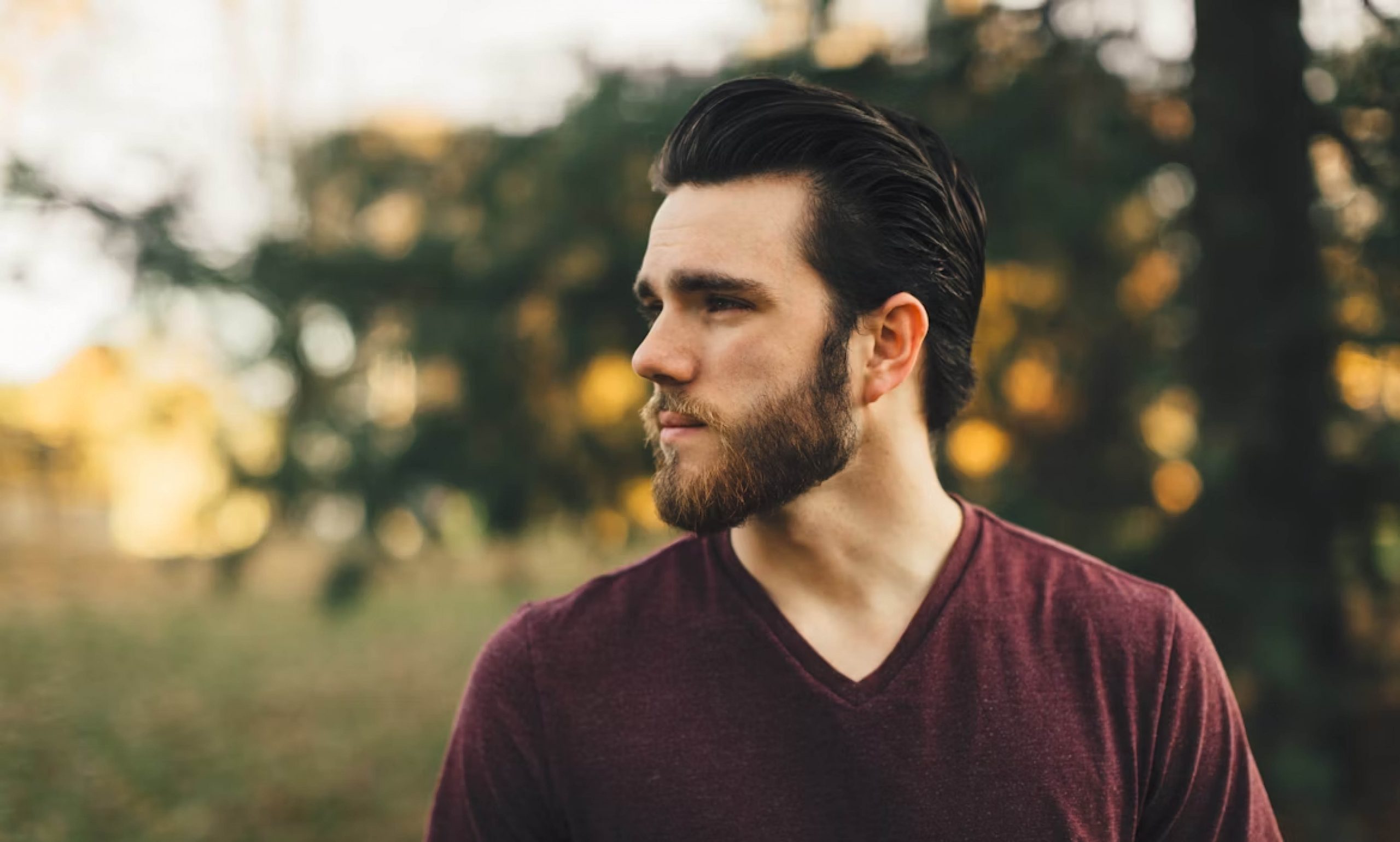
Leading hair surgeon Dr. Abdulaziz Balwi provides expert tips for healthy and full facial growth.
Facial hair trends evolve just as quickly as men’s hairstyles, and for 2026, the big, bushy beard is making a strong comeback. Jacob Elordi certainly turned heads with Heathcliff’s full-coverage beard in “Wuthering Heights”, which was released in February. While styles may shift over time, facial hair in one form or another remains a timeless staple of men’s grooming.
A recent survey conducted by Elithair found that 37% of 2,000 respondents said their facial hair is likely to affect their self-confidence.The impact is even more pronounced among younger men, with 60% of those aged 18–25 reporting that their facial hair is likely to influence how confident they feel.
The same survey also found strong interest in beard restoration procedures among younger generations. Around 25% of Gen Z respondents (aged 18–28) said they would consider beard restoration surgery, closely followed by millennials at 24%.
To help those struggling to grow a full beard, Dr. Abdulaziz Balwi, hair surgeon at leading hair transplant clinic Elithair, explains what causes patchy facial hair and shares five ways to encourage stronger, fuller growth.
What Causes Patchy Beards? Dr. Balwi Explains.
Hypogonadism is one of the main causesof patchy facial hair. This condition reduces testosterone levels, which are essential for masculine development and facial hair growth. Clinically low testosterone levels can indicate testicular failure or an issue in the part of the brain that signals testosterone production, both of which can result in uneven or sparse facial hair growth.
If you’re under 25 and struggling with a patchy beard, it’s also possible that your facial hair simply hasn’t reached its full growth potential yet. Hormonal fluctuations continue to occur for several years after puberty, which can naturally affect beard density and coverage.
Another cause can be the autoimmune condition Alopecia Areata, which sometimes affects facial hair as Alopecia Areata Barbae. Presentation is often sudden, with one or several smooth circular patches. A dermatologist can confirm the diagnosis and determine appropriate treatment, which may include intralesional or topical corticosteroids and other therapies based on severity.
5 Ways to Improve Beard Fullness
- Beard Oils: Natural oils and essential oils are effective at conditioning your beard hair, which nourishes the strands and makes your beard look thicker. Oils such as castor oil and black cumin oil provide deep moisture to the strands.
- Microneedling: Studies suggest that microneedling, which creates controlled micro-injuries in the skin to stimulate collagen, may boost the effectiveness of scalp treatments such as minoxidil or PRP. In principle, microneedling could stimulate thicker, more even beard growth; however, few studies have specifically evaluated its effects on facial hair.
- Beard Brushes: Using a boar bristle beard hairbrush as part of your beard care routine elongates your hair, especially when it’s used with a beard balm. This makes your facial hair appear fuller.
- Vitamins and Minerals: A diet rich in essential vitamins and minerals such as biotin, zinc, and vitamin D can significantly support healthier hair growth, including beard hair. Biotin strengthens keratin, improving hair thickness and resilience. Zinc helps repair hair tissue and supports follicle health, while vitamin D stimulates new follicles, promoting growth in patchy areas.
- A Beard Transplant: For a long-term solution, it may be worth considering a beard transplant to achieve an even, patch-free look. To do this, hairs from the back of your head are carefully, individually extracted using the FUE technique. Then, those hair grafts are inserted into the areas with thinning hair in order to tackle patchiness.