The constant flood of content on social media means marketing is no longer an option for barbers. But using it to build your profile and attract prospective clients are two very different things.
Here, Chris Foster, co-founder of Mentored by Menspire, explains why barbers need to be clear about who they’re talking to when it comes to marketing, with five top tips to help you get your messaging right.
1. Understand that there are two conversations
When it comes to marketing yourself or your business, it’s important to realise there are two conversations you need to have. One is with the client, and the other is with the industry.
When you’re marketing to clients, they care about how they look and how their barber or stylist makes them feel. When you’re communicating to the industry, it’s about building a profile for yourself and opening doors to expand your career.
2. Make your client your focus
When you’re marketing to clients through social media, or word of mouth, the message should be very simple: how will they look and how will they feel when they leave your chair? That’s what matters to them.
Show them results, post transformation videos and images, and use social media to convey the experience you can offer them. It’s about giving people an idea of what they can expect when they come to you.
3. Remember that the industry is a different audience
When it comes to marketing yourself to the industry, it’s a different game entirely. Here, it’s about your peers, the brands, the people you want to connect with, the opportunities, and potentially working in the UK or abroad.
The message should be built around your craft. Industry magazines and platforms talk to the industry. Clients aren’t necessarily going to read them, but coverage on these platforms can be a great way to influence the industry, work with brands or attract brand deals.
4. Be clear about what you want from your marketing
It’s really important to keep those two audiences separate because the goals are different.
With Instagram, for example, I always advise having a separate feed for clients because it has a different goal, a different message and a different desired result.
Client marketing is about:
· Getting more people through the door
· Showing results and transformations
· Building trust
· Creating a strong client experience
Industry marketing is about:
· Building your name as an educator
· Connecting with brands and other professionals
· Creating opportunities
· Securing brand deals
· Increasing your income
· Building your legacy
5. Be clear with your message
It’s essential to be clear with your messaging. You might have one voice, but you need to speak to your clients for a certain result, and then speak to the industry through magazines, events, and connecting with others.
So, it’s one hair professional, two different audiences, and two different messages.
Ultimately, you shouldn’t confuse the two. Be clear, so people understand exactly what they’re going to get from you. If the messaging isn’t clear, it gets confusing, both for you and for the people you’re trying to reach.
For Barberdoza, the best way to stay inspired and passionate about the barbering industry, is soaking up the culture and community – wherever he goes.
Here, he looks back on his travels to consider the barbershop as a place to find connection, leave the outside world behind and feel part of something bigger than himself.
Barbershops are community hubs, or “third spaces” as many call them, and they tell you a lot about where you are, and who you’re surrounded by.
Every time I travel to a new country, I get my haircut. Inspired by Miguel Gutierrez aka Nomad Barber, I started prioritizing this barbershop pit stop while I was living in Europe after college graduation.
During college, I had started cutting hair and became increasingly interested in the trade. A dream of becoming a licensed barber was planted, it was just a matter of timing. Immediately after graduation, I worked for a non-profit organization that turned me into a globetrotter. I visited 30 countries in two years. During my travels, I figured I could do market research to help envision what I would want my future shop to look like one day.
In search of inspiration, I said yes to as many services as possible. My first straight razor shave, beard line up, hard part, eyebrow trim, and facial massage all happened in shops abroad. Little did I know that there would be bigger lessons waiting for me.
Every time I stepped into a barbershop, I needed a haircut. But eventually I realized that it’s not just a haircut. It’s a reset. It’s a break. It’s an opportunity to be served. It’s calm before the storm, or maybe even a break from one.
The barbershop is a refuge. One of the few third spaces that exist where we can escape. A place with an open-door policy that takes care of us all. A place where the barber’s cape transforms a white collar or blue collar into a human collar. A place where the barber’s clippers and shears shouldn’t discriminate against hair textures, color, density, porosity or growth patterns. A place of equality, where we wait our turn no matter our socioeconomic status. A place where we can walk in, sit down, talk about anything going on in our lives (or just sit in silence).
The barbershop is a place that restores a little bit of hope. Maybe that’s why they’ve always been considered community pillars. It’s a phrase we often hear tossed around when describing the role barbershops play locally. It’s a powerful metaphor when you stop and really think about it.
A pillar is a vertical support that carries weight and transfers that weight to a foundation. A pillar’s purpose is to support something larger. A community pillar is often a person, place, or institution that quietly supports others. Somewhat of a refuge.
While I was living in Budapest, the barbershop became a refuge that helped me feel a connection to the city. I was only living in Budapest for nine months and naturally felt a bit displaced. My monthly visit to the barbershop was grounding.
How lucky are we to have these places of refuge throughout the entire globe. It gives me hope knowing that no matter where we are in the world, no matter what is going on in our lives, no matter what storm we are about to navigate or storm we are navigating, we can visit a barbershop. We can walk in, sit down, be served and have that small, but extremely significant feeling that we are gonna be alright.
Creating a strong collection can do more than showcase a great haircut. Here, Chris Foster, co-founder of Mentored by Menspired, offers his advice on creating meaningful men’s hair imagery, and shares how it can open new career possibilities.
When you create a collection of men’s hair imagery, whatever stage you are at in your career, start with the ethos that you want to contribute to an overall raising of standards and perceptions of men’s hairdressing and barbering.
As you gain experience and your budgets grow, this contribution will become more visible and your influence greater, but it’s never too early to start documenting your work and making it count.
Photoshoots are a professional development tool
To succeed in this industry, you’ll need more than creativity. The great thing about overseeing a photoshoot is that it unlocks numerous skills that will help you navigate a successful career.
I see creating collections as a professional development tool; as you progress from the basics, creating collections will involve managing a budget, taking creative control, and leading a team.
Once you have a collection, you also need to learn about how to utilise the finished result — how can you use the collection to market yourself or your business; do you plug into PR and get the collection out to industry and consumer media? Do you enter the collection or individual images into competitions?
All of these elements of creating a collection are going above and beyond the basic idea of cutting hair; they are pushing you beyond working behind the chair and into potentially career-changing directions.
Experience will open new doors
Pushing yourself to be creative and documenting that work is important.
As time goes on, and budgets increase, you’ll develop an understanding of how to work with individual models, how their features will translate into an image, how to control the shapes that the hair is taking on, and how each look will complement each model and their specific vibe.
This level of understanding only happens when somebody has taken time out to create collections. And this experience could open doors into working on professional shoots, in advertising or editorial, for example.
Developing an understanding of what a photoshoot involves and familiarity with the environment of a shoot is vital for a creative career progression.
Every photoshoot you undertake is part of a training ground that could lead to some incredible opportunities.
Always aim for the highest standards
If you, as a creative, want to be seen and treated as someone who can operate at the highest level, the standard of work you create needs to be of the highest level possible. Of course, in the early days, budgets will be a factor, but don’t be put off from creating your first collection because you think you can’t afford to do it. You need to have self-belief; if the intention is to create great imagery and you believe you can do that, the resources will follow.
Reframe the thought that you have no resources to ‘I need to be resourceful.’
So the first question is, how can I get the resources, or who can I work with to make this happen?
It Can Create New Opportunities
Our industry is image led, and extremely influenced by creativity. When you show your creativity, it sends signals to the hairdressing world that you are part of the club. This creates visibility, and being visible will open up new opportunities. If you want to create opportunities in this industry, the first thing you have to do is show your work.
Look at the level of work out there
While it’s vital to create work that you love, it’s also important to be aware of the work your contemporaries and those you aspire to emulate are putting out. If they want to join the club, you need to create work that looks like you’re a part of the club.
That means professional models, clean backgrounds, a great photographer, and creative compositions. All of these elements have to tie together for your work to be seen in a positive way and perceived as professional.
What happens when you put ambitious barbers in a room together?
BarberEVO columnistMatthew Mendoza found out at GG NYC, where six days in New York sparked fresh thinking on business, creativity and community – with three lessons he’s bringing back to his own shop.
Something extraordinary typically happens when you gather growth minded barbers together. There’s a certain energy that leaves you feeling inspired. After spending six days in New York City for an exclusive multi-day barber summit, I’m certainly feeling that type of way right now.
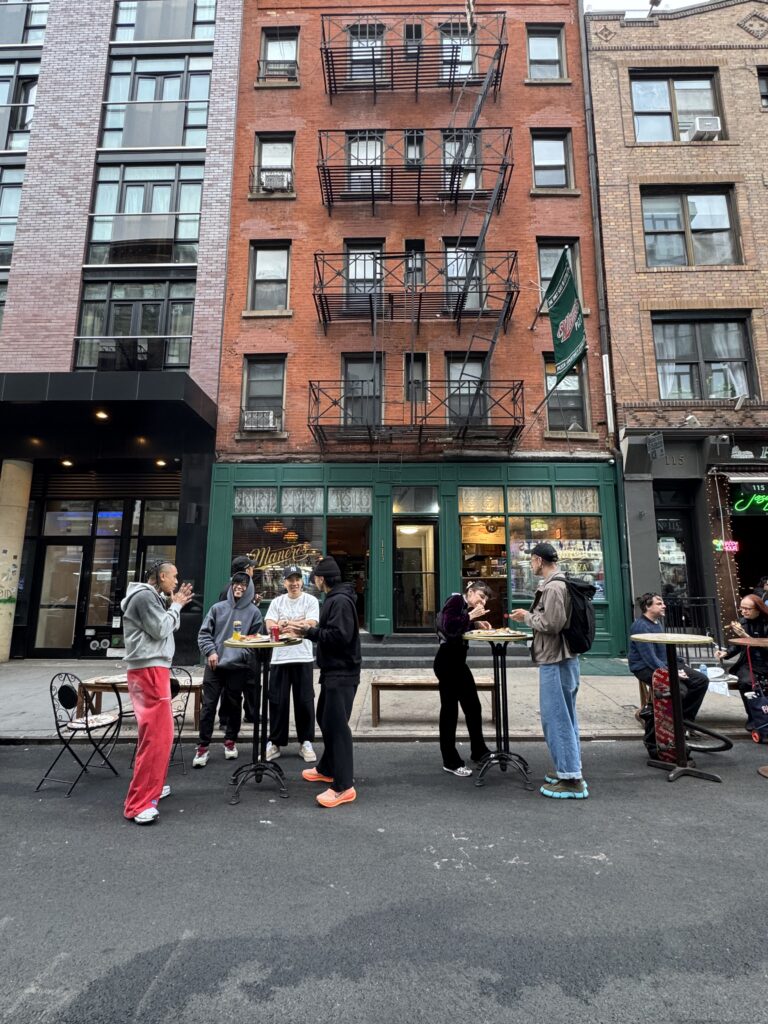
GG (aka Good Game) is a multi-day summit that gathers barbers from 12Pell, Paradox and Prax. The first GG was hosted by Paradox at Educo Academy in San Jose. The second GG was hosted by 12Pell at various locations throughout Chinatown NYC.
Without getting into all the details, GG NYC was designed to highlight various brand elements of 12Pell. The goal wasn’t to leave and try to replicate 12Pell. It was to spark inspiration that leads to creatively applying to your unique context. Here are a few ideas I’m bringing back to apply to my own.
Lesson 01: Collaborate
Our one year anniversary for Hair Skin Club is on the horizon and we’re going to throw a party. 12Pell’s motion got me thinking about ways to collaborate with my clients who own local businesses. Quickly I thought of a client who runs the most popular boba shop in town. They’ve done many pop ups. I’m picturing a collab where we’ll offer drinks to the first 50 attendees. It drives brand awareness for his business and adds a fun incentive to show up early to the event. If we’re going to spend money on drinks anyways, why not spend a little more to elevate the experience while collaborating with another local business?
Collaborative events should be part of every barbershop’s marketing strategy. An easy way to brainstorm ideas is to simply think about your clients and what they do for work. If you have a client who is a realtor, you could do a small class about buying your first home. If you have a client who is a photographer, you could do a professional head shot event. The key is to think about your loyal clients and find natural ways to collaborate that can be a win-win.
Lesson 02: Consider the Final Look
There was a barber competition during GG NYC that was judged on the final look, not just the haircut. The final look includes: the haircut, hair style and outfit. A haircut and hair style can transform from black and white into 4k color by the outfit. It might sound silly, but I’ve never really thought about it that way.
It’s so true though. Oftentimes, haircut transformation videos will do something subtle but significant. The before shot will have the client pre-hair cut, pre-hair style and draped in a cape. The after shot will have the client post hair cut, with a hair style and no cape. That is the final look. It’s revealing all 3 elements. It was wild to see hairstyles take on new life after the models were styled into tailored outfits.
Lesson 03: IRL is winning
We all feel it. We’re all fatigued from screens. We want real life. We want to be in person with people. And there’s something extremely energizing when we’re in a room full of people that we respect. We need to seek those rooms out.
And when we do, just keep in mind that the program isn’t the full experience. It’s the unscripted moments that happen throughout. There certainly can be memorable quotes from educators, but oftentimes the most memorable are the conversations that happen outside the scheduled sessions. It’s the game exchanged over meals or outside in the streets.
In a career where we are constantly serving others and pouring ourselves out to make sure our clients look good and feel good. It’s critical and rejuvenating to be in spaces with people who understand what you’re going through without having to explain ourselves.
There’s so much more I can say about GG NYC, but for now, a huge shout out to 12 Pell, Paradox and Prax and everyone who was there. And for those reading this who weren’t there, these lessons are for you just as much as they are for me. You know your unique context better than anyone, how can you apply these lessons to your block?
Barber & Beauty Industry Consultant
Co-founder, Hair Skin Club
Something extraordinary typically happens when you gather growth-minded barbers together. There’s a certain energy that leaves you feeling inspired. After spending six days in New York City for an exclusive multi-day barber summit, I’m certainly feeling that type of way right now.
GG, or Good Game, is a multi-day summit that gathers barbers from 12Pell, Paradox and Prax. The first GG was hosted by Paradox at Educo Academy in San Jose. The second GG was hosted by 12Pell at various locations throughout Chinatown, New York City.
Without getting into all the details, GG NYC was designed to highlight various brand elements of 12Pell. The goal wasn’t to leave and try to replicate 12Pell. It was to spark inspiration that leads to creatively applying those ideas to your own unique context.
Here are a few ideas I’m bringing back to apply to my own.
LESSON 01
Collaborate
Our one-year anniversary for Hair Skin Club is on the horizon, and we’re going to throw a party. 12Pell’s motion got me thinking about ways to collaborate with my clients who own local businesses.
I quickly thought of a client who runs the most popular boba shop in town. They’ve done many pop-ups. I’m picturing a collaboration where we’ll offer drinks to the first 50 attendees. It drives brand awareness for his business and adds a fun incentive to show up early to the event.
If we’re going to spend money on drinks anyway, why not spend a little more to elevate the experience while collaborating with another local business?
Collaborative events should be part of every barbershop’s marketing strategy. An easy way to brainstorm ideas is to simply think about your clients and what they do for work.
If you have a client who is a realtor, you could hold a small class about buying your first home. If you have a client who is a photographer, you could host a professional headshot event.
The key is to think about your loyal clients and find natural ways to collaborate that create a win-win.
LESSON 02
Consider the Final Look
There was a barber competition during GG NYC that was judged on the final look, not just the haircut.
The final look includes the haircut, hairstyle and outfit. A haircut and hairstyle can transform from black and white into 4K colour through the outfit. It might sound simple, but I’d never really thought about it that way.
It’s true, though. Often, haircut transformation videos do something subtle but significant.
The before shot shows the client pre-haircut, pre-hairstyle and draped in a cape. The after shot shows the client post-haircut, with a hairstyle and no cape.
That is the final look. It reveals all three elements. It was wild to see hairstyles take on new life after the models were styled in tailored outfits.
“
We’re all fatigued from screens. We want real life. We want to be in person with people.
LESSON 03
IRL Is Winning
We all feel it. We’re all fatigued from screens. We want real life. We want to be in person with people. There’s something extremely energising about being in a room full of people we respect. We need to seek those rooms out.
When we do, it’s important to remember that the programme isn’t the full experience. It’s the unscripted moments that happen throughout.
There can certainly be memorable quotes from educators, but often the most valuable moments are the conversations that happen outside the scheduled sessions.
It’s the game exchanged over meals or outside in the streets.
In a career where we’re constantly serving others and pouring ourselves out to make sure our clients look good and feel good, it’s critical and rejuvenating to be in spaces with people who understand what we’re going through without needing an explanation.
There’s so much more I could say about GG NYC, but for now, a huge shout-out to 12Pell, Paradox, Prax and everyone who was there.
For those reading this who weren’t there, these lessons are for you just as much as they are for me. You know your unique context better than anyone. How can you apply these lessons to your block?
BarberEVO columnist Barber Doza, AKA Matthew Mendoza, shares his experience attending Cultivating Culture LA at Henkel’s offices in Culver City, CA, where education and open conversations united the barbering community and offered a glimpse of where the industry might go.
After attending my first STMNT last summer, I wrote this in my newsletter: “A deep understanding of the community and culture often leads [brands] to more than product fit. These brands aren’t just hosting events, they’re sparking movements. This is where STMNT lives.”
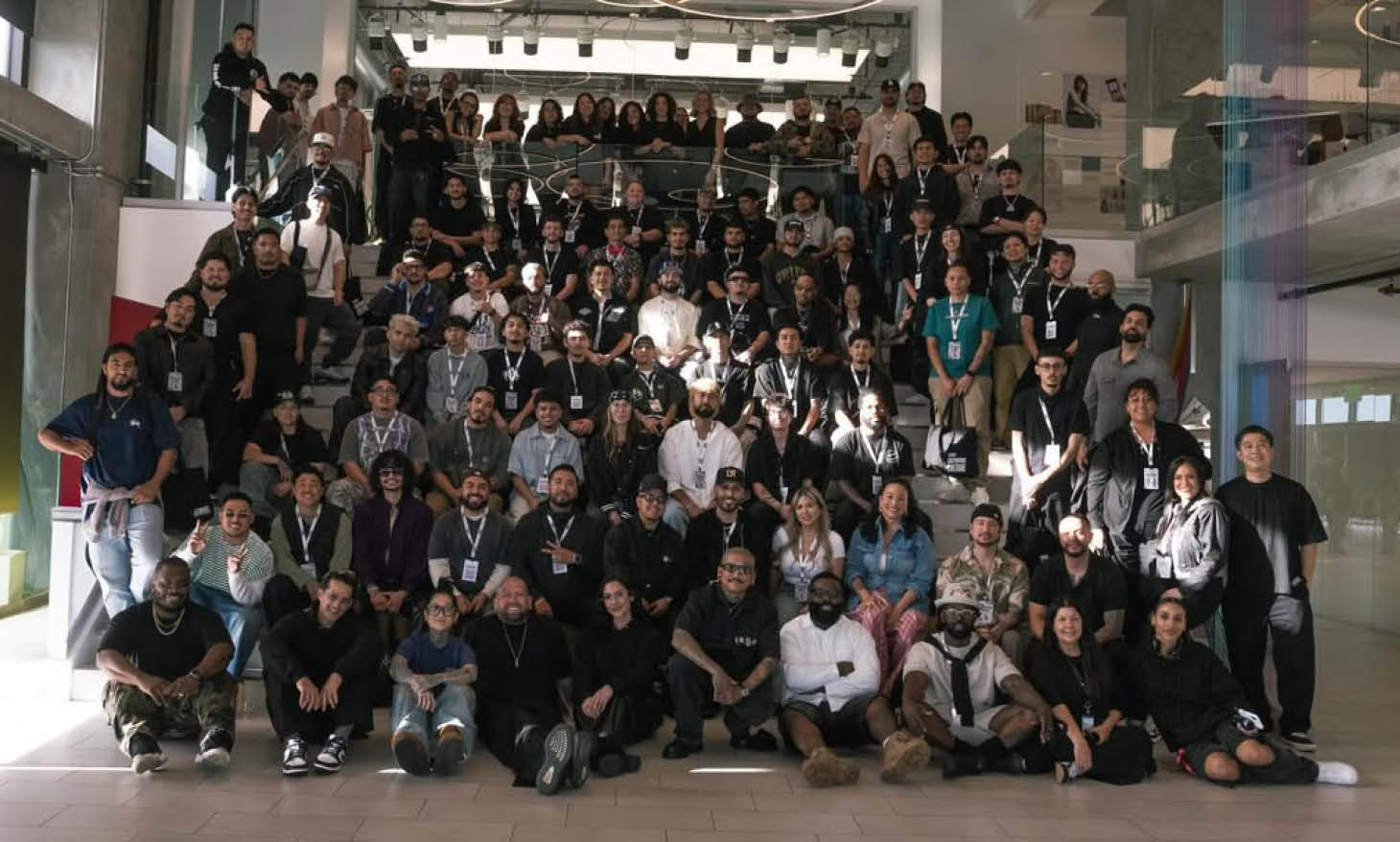
Months later, STMNT still lives there. And that movement? It’s growing. When I walked into Henkel’s office in Culver City for Cultivating Culture LA, I was greeted by many familiar faces. We all talked about how game-changing World of STMNT was and how excited we were to come back for another event.
What Is Cultivating Culture LA?
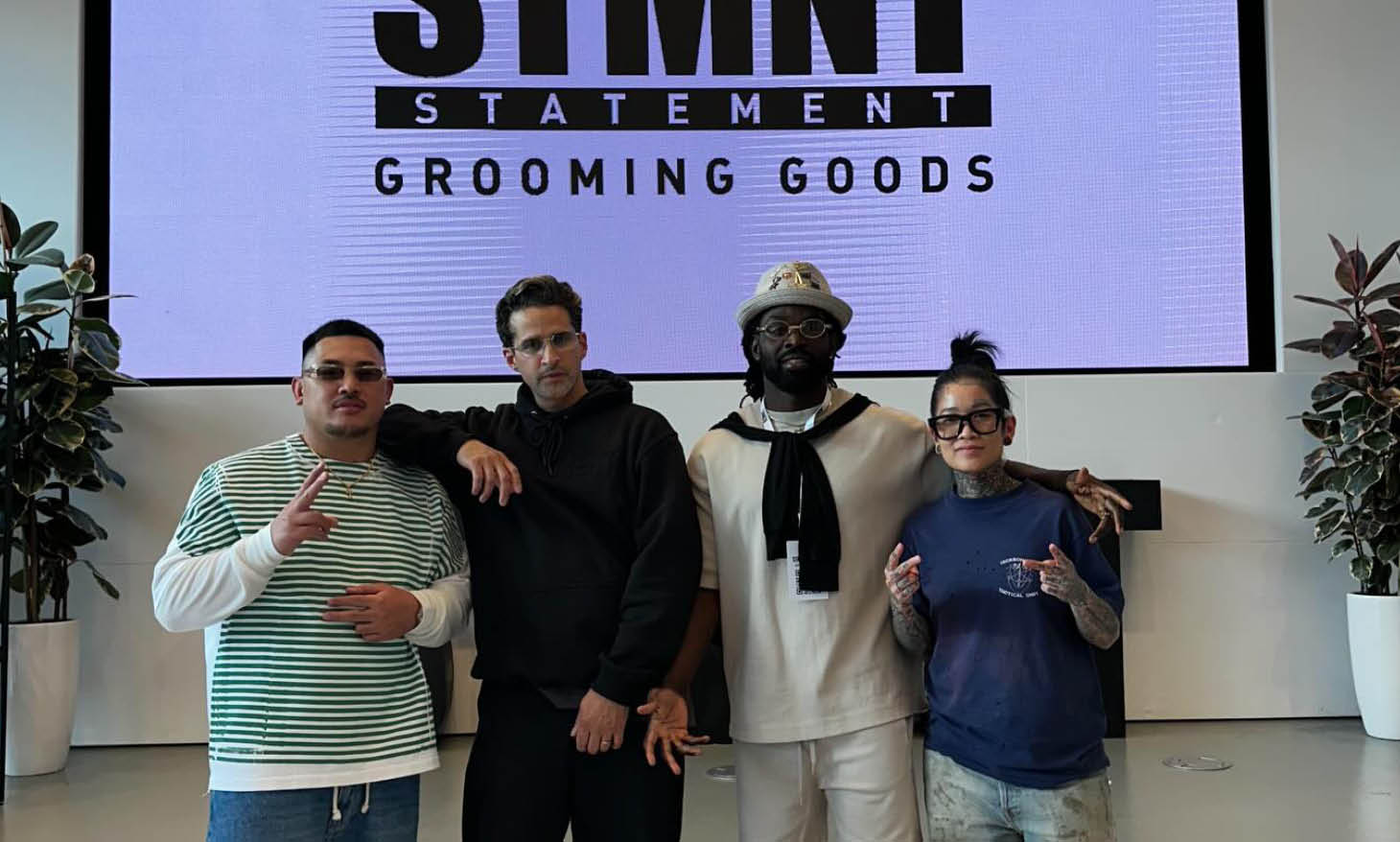
Hosted at Henkel’s office in Culver City, barbers from around the country gathered for a full day experience led by STMNT’s Team of US Ambassadors. It was the first in a series of events.
The morning started with a session led by Vinnie Morey and transitioned to a hands-on class by Brittany Calzada and Drizzy. A big moment was the launch of three new STMNT Care products: Shave Gel, Aftershave Lotion and Hydro Shampoo.
One of my favorite parts about STMNT events are the catered meals. They set up tables, feed the people, and make space for us to connect. It feels small, but this is where the magic happens.
There’s something special about breaking bread with people. After lunch, attendees were split into four groups and rotated through four ‘pods’: Brittany led one, Renjie another, Neilson & Crew Communications led a media training pod, and I led the BarberEVO pod.
Finding Your Voice
A theme that emerged throughout the day was ‘Finding Your Authentic Voice’. In my 20 minute-pod, I split attendees into groups of three where they had space to practice sharing their voice. A printed handout walked them through an exercise of questions that allowed them to share their perspective.
As the small groups shared, I walked around and listened to the different perspectives. These conversations embodied cultivating culture. Conversation and sharing your perspective are ingrained in barbershop culture. It only makes sense to make space for it.
I’ve been to a lot of barber expos and events, and attendees get overwhelmed with a lot of information. Some start checking out (and even start falling asleep). I’ve always believed that attendees would benefit from intentional time to process and digest the information. Facilitating small group discussions can be a great way to foster that needed space to pause and reflect in the midst of a busy day.
I was honored to get a chance to lead this session and was really encouraged by the positive feedback. People seemed to really appreciate having the space to connect and share their perspectives.
As I walked around, I was most interested in their answers to the last question: “In your opinion, what do you think our industry needs the most right now?”
Here are some things I heard:
• We need more love and unity.
• There are so many unique paths being paved. The more we create crossroads, the better.
• We need more authenticity and transparency. Our industry has a lot of hype. Let’s be real with how hard it can be.
• We need more camaraderie. Come together. Stop hating on each other.
I’m hopeful that events like the World of STMNT and Cultivating Culture are moving us in that direction. They give us a taste of what these spaces can look and feel like. Love, unity, authenticity, transparency, and camaraderie describe the barbershop when we’re at our best.
I’m grateful to be part of it and to have played a small role in facilitating the space. I’ll end with this quote from Sofie’s newsletter about the event: “The room you walk into can change everything. But first you have to walk in.” If we haven’t met yet, I hope our paths will lead us to the same room sometime.
Every barber starting out dreams of success, but without some kind of planning and some kind of action, dreams are all those will remain.
In his latest column, Matthew Mendoza digs into the lessons he’s learned from industry leaders on what it takes to build a successful career behind the chair.
“Vision without action is merely a dream.” It’s easy to declare what we want. It can be hard to pull it off. Just like it’s easy for a client to sit in our chair and show us a picture of what they want. It can be harder to pull that off, too, for many different reasons.
Four years ago, I launched a podcast called ‘Beyond Barber School’. The vision was to create a space where listeners could hear stories from barbers, educators and founders that were elevating the barbering industry in and out of the barbershop. The hope was to empower barbers with the necessary knowledge to take a courageous next step in their barber journey.
I tried to interview a range of individuals to represent different voices and experiences in the community. After interviewing my first eight guest interviews, I took time to reflect and identify common lessons from the interviews.
There were four themes that united each of their stories that transformed into a goal setting framework that has been valuable to my career development. My hope is that they’ll be a similar roadmap for you and your future.
Dreams
Most of their stories started with a dream. What do you want? What is your vision? What is your dream? When you close your eyes and picture your ideal future, what do you see? Dreams might feel far in the distance or sometimes right in front of your face.
Every time a client sits in my chair, I dream of giving them the best haircut. That feels short term. And I also dream of running a successful business where professionals can have a successful career. Anyone can dream though, that’s the easy part.
Operations
Dreams need a blueprint. How can I do it? What are my options? It’s like typing in a destination in Google Maps and then looking for the best route. You analyze your options and then select one, possibly re-routing in the middle of the trip.
Cutting hair is no different. We look at a picture of the desired hairstyle and we think about the different ways we can do it. What tools will we need? What techniques will we use? Which section do we start and end with? These are all operational questions. Every dream requires the dreamer to know how to operate the vehicle that will get them there. The operational phase is a time for research and development.
Zones
Every zone has a boundary. I like to think of zones in relation to focus areas. How will I do it? What do I need to do first? Which zone is first? Which zone is second? In haircutting, we might refer to zones as sections. In precision cutting, sectioning is arguably one of the most important fundamentals in executing a great haircut.
Every dream requires the dreamer to know how to operate the vehicle but also know where to start. Too often we see the blueprint but just get paralyzed in knowing where to begin.
Actions
This might be the most important step. You have to just do it. When will you do it? When is the deadline? When is it due? When I was in barber school, my instructor would get frustrated with us sometimes. We were sectioning and re-sectioning over and over. He’d eventually say ‘Just cut it already.’
At the end of the day, we have to do something. Move forward. We have to take action. “Closed mouths don’t get fed.” Dreams are achieved by those who take action. ‘We miss 100% of the shots we don’t take.’
Every interview had these four phases. They had dreams. They figured out the operations. They identified specific zones. And they took action. It’s a simple roadmap to help us get to where we’d like to be. What do I want? How can I get there? Where should I start? When should I start?
If you’re like me, each year begins with some goal setting. Now that we’re comfortably in 2026, now’s a good time to evaluate our progress towards those dreams. What actions have you taken towards achieving those dreams? Has that been the best use of your time? Could you have done it differently?
If you’re not where you want to be, just know that’s often part of the story. Every guest on the podcast had some element of adversity. It’s what you do when facing that adversity that reveals if you actually want that dream or not, but only you can answer that question.
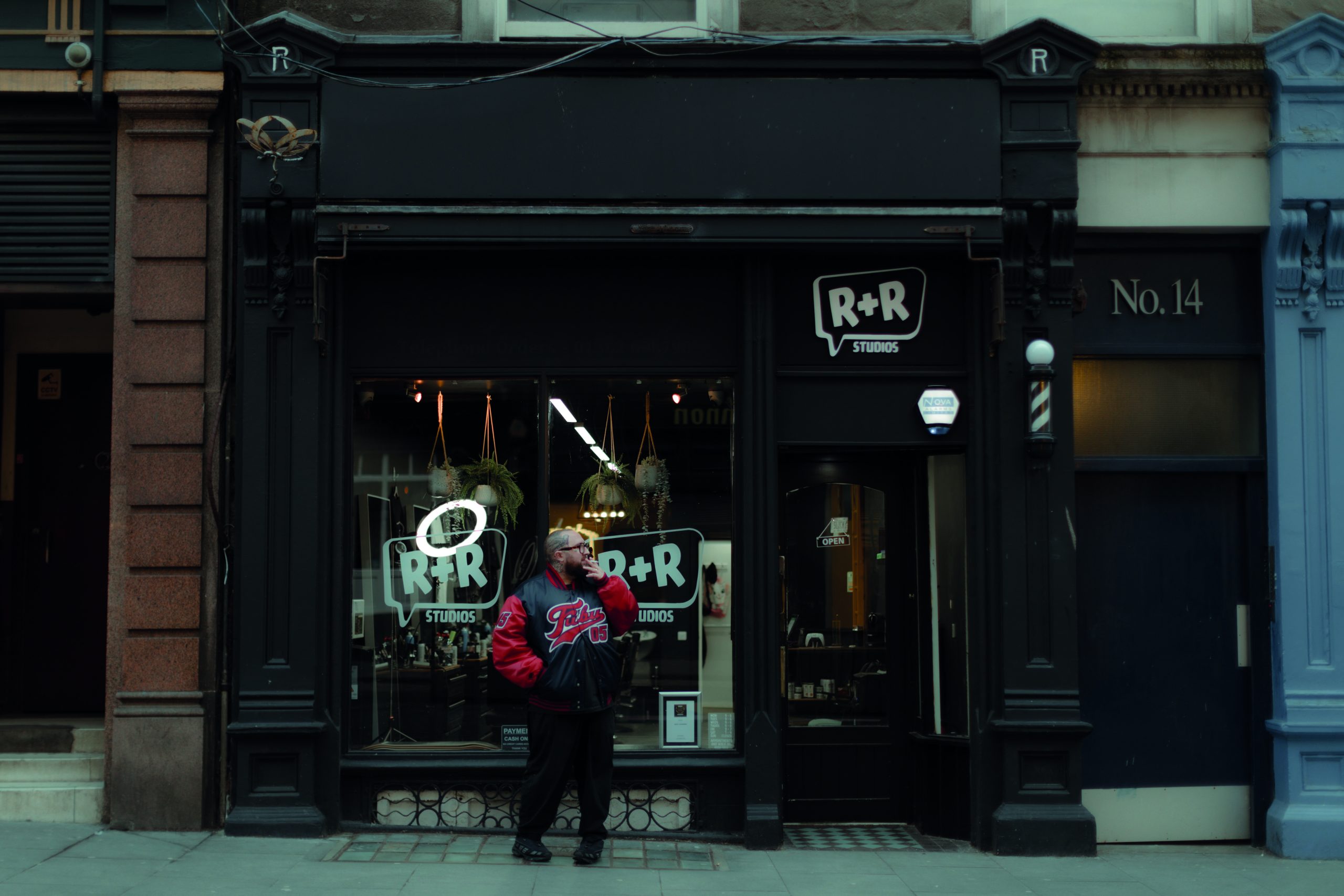
Blending family roots with a forward-thinking ethos, R+R Studios in Dundee has quickly grown into one of Scotland’s most exciting barbering destinations. With a focus on community, education and creativity, the team – led by Edward Harris – are carving out a reputation that’s as much about connection as it is about cutting hair.
Every great barbershop has a story, and R+R Studios’ begins with family. “After so many years in the industry and with my second baby on the way, I wanted a place we could call our own as a family,” said owner Edward. “But also, a place where the team or anyone who walked through the door felt they could call their own too.”
The shop’s name is rooted in Edward’s children. “R+R came from my kids, Rocky and Rebel,” he explained. “The vision isn’t just to create a barbershop, but a place where everyone can grow – whether you’re a hairdresser, a curly specialist, a photographer, or anyone with a vision. R+R is a place where you can feel at home and bring your ideas to life.”
Team Ethos Over Ego
At R+R Studios, the team comes first – and that starts with the right people. “The first thing we look at when hiring is personality,” Edward explained. “Skills can always be taught, but attitude is what really matters. Clients don’t want ego or negativity; they connect with people who make them feel welcome. That sense of community and family is exactly what we’re trying to build.”
The team culture is built around learning and sharing knowledge. “We’re always learning – because the truth is, nobody knows everything! There’s always something new to pick up or a new trend to follow. That’s why we’re planning to start in-house training evenings, open to our team and to anyone who wants to join,” Edward said. “We also go to external courses, and later this year we’ve got a Josh O.P. look and learn happening in the studio.”
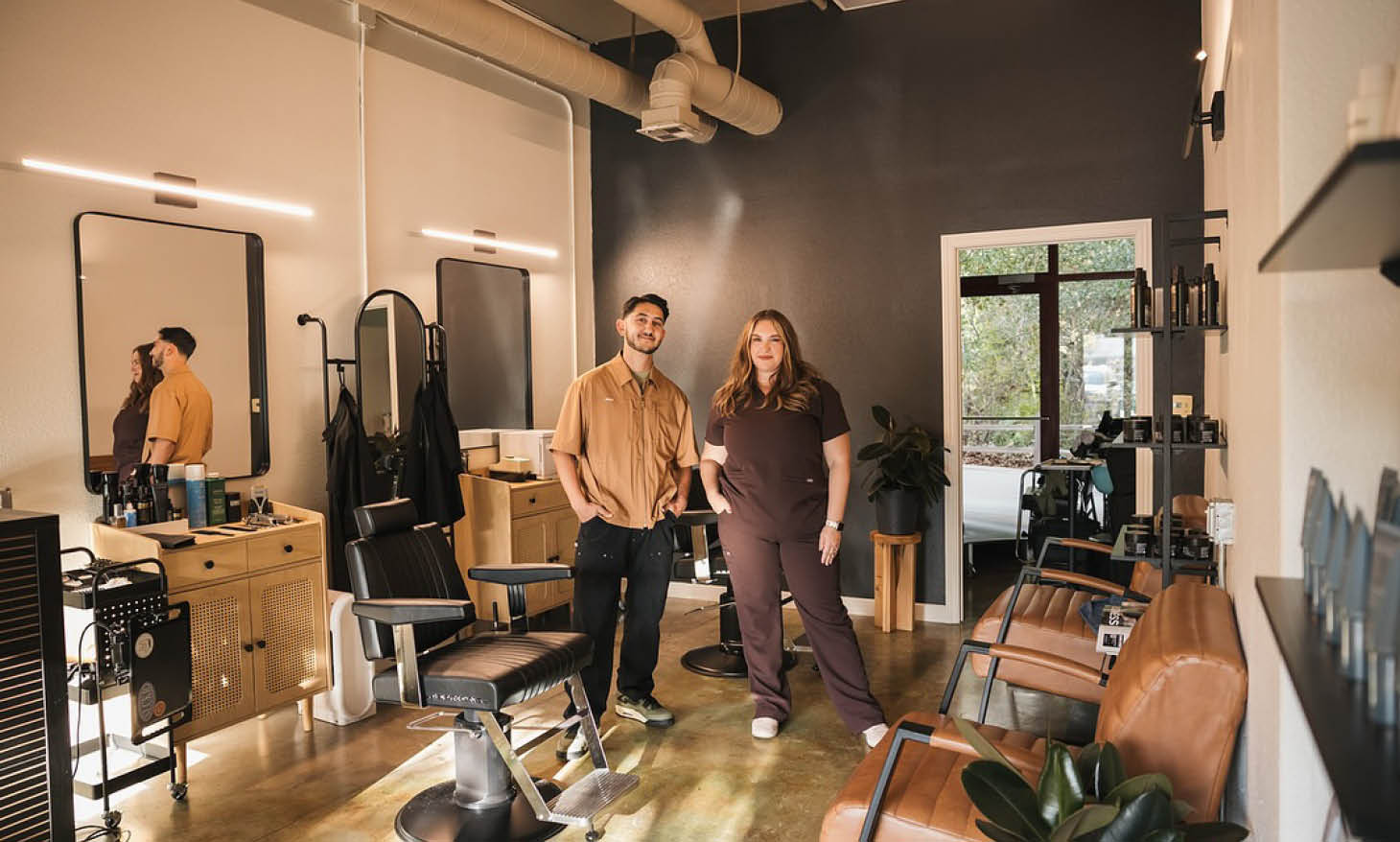
The studio’s clean, minimalistic design was carefully thought out to create a calming environment. “My son is autistic, so we’re learning more and more from him how atmosphere and surroundings can really impact emotions,” Edward said. “A busy, cluttered space with noise can be overwhelming, so we wanted the opposite – open, inviting and calm.”
A Shared Approach to Craft
One of the strengths of R+R is the diversity of talent under one roof. “We all have our own styles and techniques,” Edward said. “Some of us are all about long hair, some love short cuts, and some just love doing it all. At the end of the day, it’s about listening to the client and making sure they walk out happy.”
That shared standard is what defines the shop. “Training keeps us sharp – our cuts don’t need to be identical, but the quality of service always does,” Edward noted.
On the tools front, the shop works exclusively with Matakki Scissors, recently securing a sponsorship deal. “It’s a huge achievement for us,” Edward said. “They’re the best scissors we’ve ever used. When it comes to clippers, we’ve all got different preferences. Personally, I’m a BabylissPro geek – if a new BabylissPro clipper drops, I need it!”
More Than Just a Haircut
At its core, R+R is about people. “For us, barbering is 60% haircut, 40% customer service,” Edward explained. “Some clients love a good chat, others prefer quiet – and we respect both. What matters most is that every client leaves remembering their cut for the right reasons, not an awkward hour in the chair.”
That commitment to connection has built a loyal client base and a reputation that extends well beyond the local area. As Edward put it: “Without genuine customer connection, your success won’t last long.”
Milestones That Matter
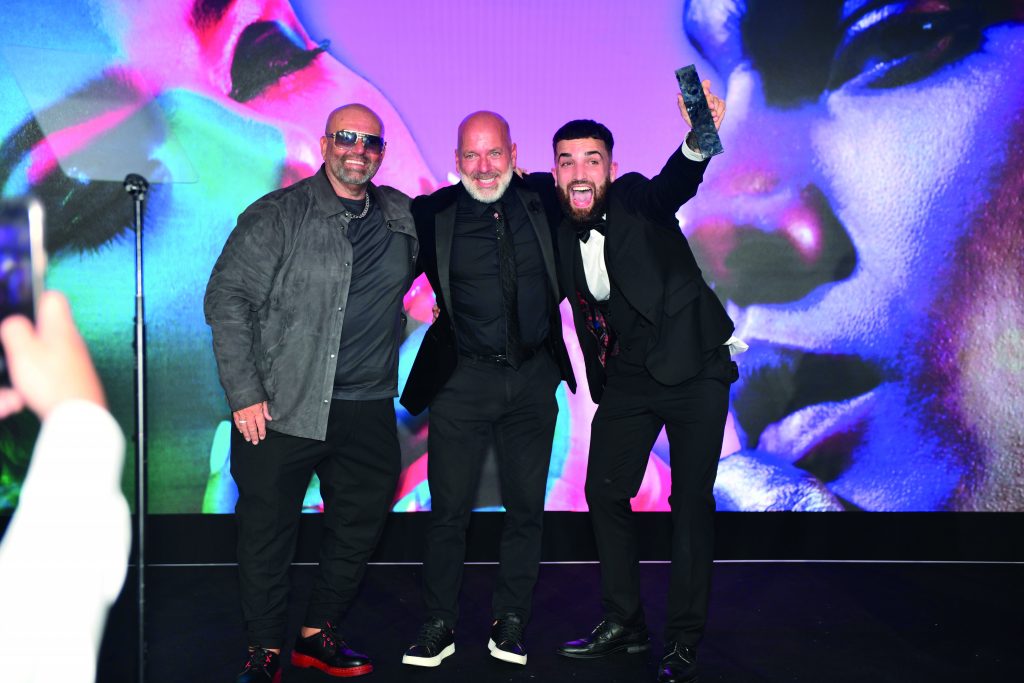
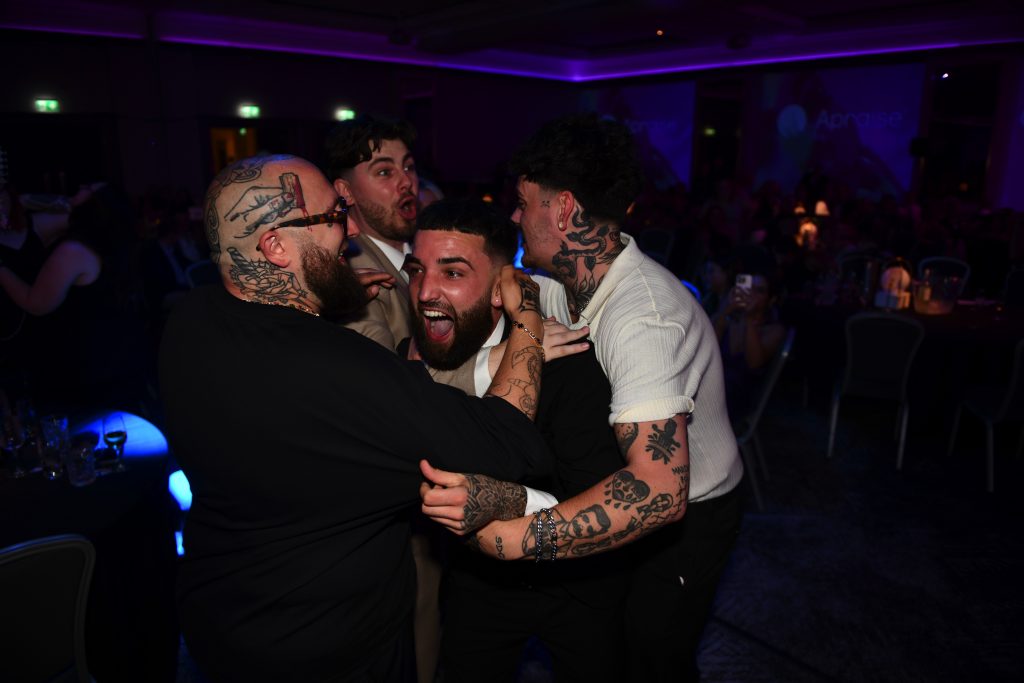
This year alone has been packed with highlights for the R+R team. They supported barbers Michelle and Keiran at the SHABA Awards, with Keiran ultimately walking away with Scotland’s Best Barber. “The pride has been unreal,” Edward said.
What’s Next for R+R?
Looking ahead, the future is about expansion, both in education and in physical space. “We’re planning to push more into education, while learning new techniques from barbers across the UK,” Edward said. “We’ll be hitting more shows – GBBB, Barber Connect, and anywhere else we can showcase what we can do. I’m currently exploring expansion opportunities as we’ve got the space and we’re ready to bring more barbers onto the team.”
The goal is simple: keep growing, while staying true to the ethos of family, community, and creativity.
There are big changes happening in the world of the Mendozas.
Like a match made in heaven, BarberDoza has teamed up with his wife Kelly to bring the world of hair and skincare together. For the Mendozas, this is the way forward.
When I was in beauty college, we had a facial class hosted by Dermalogica. It ended up being the only facial class I had during school. And I’ll be honest, I wasn’t taking notes like I was during the haircutting classes. Looking back, that was a mistake.
Self-care is embraced in today’s culture. For many people, a visit to the barber is a form of self-care. They’re taking care of themselves through the transformative experience of getting a haircut. And let’s be clear, it’s no longer ‘just a haircut’. Social media content has been taken over by consultation transformation reels that has led to clients traveling hours to sit in a barber’s chair.
This signals a shift in the market. Our consumer is actually interested in discovering a haircut and hairstyle that fits their head shape, hair texture and growth patterns.
They will no longer settle for a barber who is unwilling to have an opinion of what would work best for them and are willing to make the trek to a barber who can deliver. As a result, the often-overlooked hair analysis has become a foundational skill for client retention. Consumers are hungry to learn, and if their barber isn’t helping them discover the best hairstyle, they’ll find someone who will.
When they find their preferred hair care expert, they want recommendations. They want to know what haircut, hair styling products, and hair care products are best for them. In this scenario, the client is very likely paying for not only the service but is adding on a sea salt spray, matte paste, shampoo and conditioner.
On their way out, they’re asking for their barber to send a link to the best blowdryer to pick up online, too.
Once upon a time, only a few cared about hair care and hair styling. But the pendulum is swinging. As hair care and hair styling continue to grow in the men’s grooming industry, we find ourselves in a favorable position. For centuries, the barber chair has heard opinions tossed around about every topic. Right now, the culture invites us to have an opinion about hair care and hair styling.
You might be wondering, why did we start this conversation talking about facials? Well, I believe skin care is next. There’s a natural progression from hair care to skin care. After discovering a hair care routine, skin care is on deck.
In California, the barber exam tests candidates on skin because giving facials and scalp massages or treatments is within the scope of our practice. Barbers are legally allowed to provide skin care services like basic facials. Our barber chair perfectly reclines to a position that allows us to provide these services, yet how many times does a barber’s chair actually recline during a typical day?
The present barber evolution is simply making the trip home to the full scope of our practice. In witnessing this evolution, I co-founded Hair Skin Club.
My wife is an esthetician and our vision is to create a neutral space where clients can discover a hair care and skin care routine that fits them. Our 700 square foot club has two barber stations, a shampoo bowl and a skin care treatment room where we provide various hair and skin care services. In our small city, we’re the only tag team barber and esthetician establishment.
While a barbershop and salon’s reputation can be preferable to some clients, it can also be unwelcoming to others. We’re creating a space for those others.
The client who wants to get a Hydrafacial and then a haircut. The client who wants recommendations for the best hair care and skin care routine for them, all under one roof. The client who wants to get a facial while their child or partner gets a haircut.
Consolidation is valuable. A one-stop-shop is convenient for the consumer. And as hair care and skin care trend in the culture, beauty businesses that offer services that meet the needs for both will trend in their communities. Well, that’s my bet at least. What’s yours?
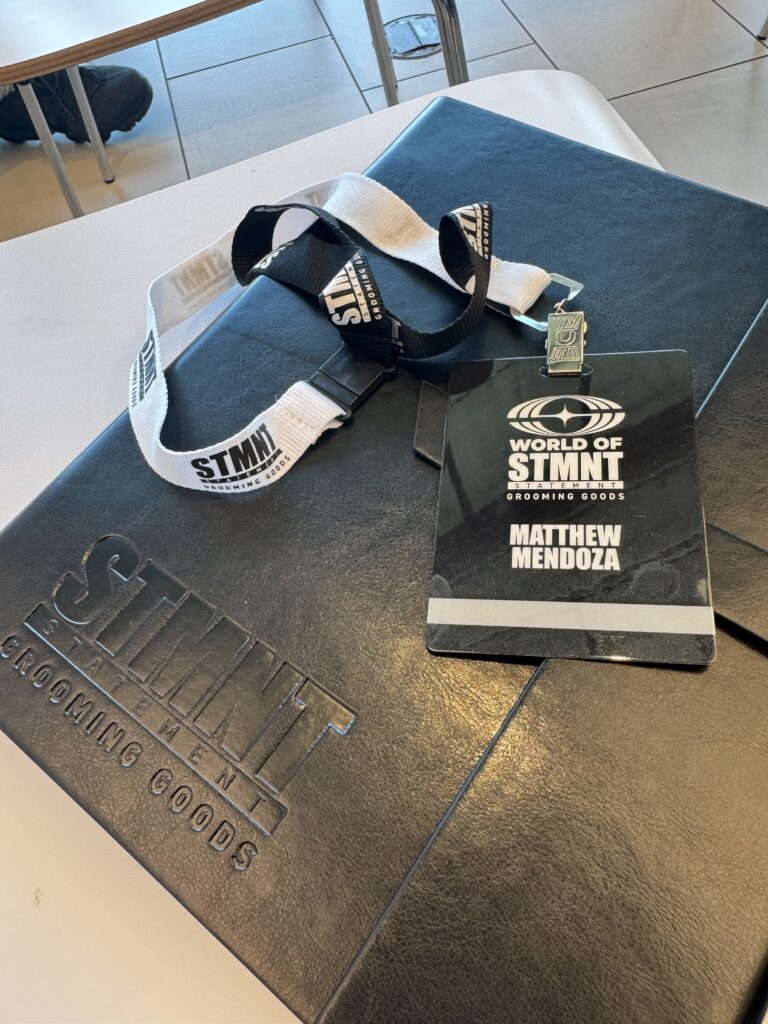
In July 2025, California native and BarberEVO Columnist, Matthew Mendoza (aka BarberDoza) attended the World of STMNT event in Los Angeles for the first time. Here, he gives us an inside look at the top-tier talent and community powering the celebrations.
Time flies. Almost five years ago, STMNT Grooming Goods stepped onto the scene and immediately shifted the landscape of barbering. Headlined by its three co-creators, Sofie Pok (@staygold31), Julius Arriola (@juliuscvesar), and Miguel Gutierrez (@nomadbarber), the brand launched in 2020 with the ambition to rewrite the standards of grooming.
For me, STMNT has always been one to watch. I had been subscribed to Miguel’s YouTube channel since around 2014, followed Sofie’s journey since 2018, and even crossed paths with Julius at the Salt Lake Beauty & Barber Expo in 2021 while working for Squire.
When they announced their inaugural U.S. summit, the World of STMNT in Los Angeles, I knew this wasn’t just another industry gathering.
A Brand Rooted in Culture
STMNT is one of the few grooming companies founded by barbers themselves and sits under the ownership of Henkel, a multi-billion-dollar global powerhouse. That tension of barber-led authenticity balancing against corporate backing could easily dilute the brand, but instead, STMNT has navigated this balance with credibility and authenticity intact.
That credibility comes from a deep understanding of barber culture. From the jump, STMNT has been “for the culture.” Their products are clearly designed with the working barber in mind, and their brand voice resonates in a way that many corporate-owned brands struggle to achieve. It’s this ability to connect authentically that set the stage for the World of STMNT to be more of a cultural experience than an event.
In true LA fashion, World of STMNT Los Angeles stretched the imagination and invited us to think and see differently. Like the creators who curated these spaces, WOSLA didn’t fit into a box.
Friday at Henkel HQ: A Day of Learning and Connection
The first chapter of the World of STMNT unfolded inside Henkel’s state-of-the-art academy in Culver City. This wasn’t a massive convention center crammed with booths and battles. Instead, STMNT curated an intimate, thoughtfully paced day exclusive to Premier Pass holders who invested $400 to be there.
From 9 a.m. to 9 p.m., barbers from around the world immersed themselves in brand-building, creativity, and craft.
I met attendees from Germany, Spain, and Hungary that served as a reminder that STMNT’s reach is truly global. (Having lived in Budapest, Hungary for 10 months, I was personally hyped to meet a Hungarian barber in the mix.)
The day included three branding sessions with the STMNT creators themselves: how to build your brand, how to evolve it as you grow, and how to align your content with that brand identity.
Kar-ho Leung of 12 Pell added a forward-looking lens, forecasting trends in the barber creator economy and exploring the power of live social selling through platforms like TikTok Shop.
Of course, there were hands-on lessons as well. The team from Educó Academy x Paradox Barbers led a live precision-cutting look and learn followed by a class where the room was filled with more mannequins than I’ve ever seen.
Also, unlike most expos that leave you scavenging for overpriced food court options, STMNT went above and beyond with three catered meals woven into the day. That detail may sound small, but it underscored the vibe of slowing down, breaking bread together, and fostering real connection.
By the end of the day on Friday, attendees weren’t just inspired. They were nourished, literally and figuratively.
An Immersive Cultural Experience
If Friday was education and connection, Saturday was culture and imagination. Hosted just a block from Crypto Arena at the historic Hudson Loft in downtown Los Angeles, the evening unfolded across four floors from 5 p.m. to midnight.
This wasn’t your typical barber event. It was part art exhibit, part brand showcase, part family reunion. Each level of the loft revealed new experiences: curated installations, live demonstrations, and communal spaces that blurred the lines between education, entertainment, and culture. Each creator even curated their own room that provided a look into how they see themselves and their creativity.
Attendees described it as “unlike anything I’ve ever been to” and “a cultural experience for the people.” For me, it felt like a cocktail of creativity poured generously over seven hours that flew by far too quickly.
The intentional design stood out. Instead of overwhelming us with sensory overload, the event allowed space to connect, to wander, and to be surprised.
Why It Mattered: An Industry-Changing Event
Many attendees called the World of STMNT an “industry-changing event.” I agree. The barber industry has become accustomed to a certain formula when it comes to events: large expos, endless booths, loud battles, and a sea of attendees hustling from one corner to the other. These events have their place but can feel predictable and sometimes impersonal.
STMNT broke that mold. By curating smaller, intentional spaces, they reminded us that less can truly be more. Fewer booths, no battles, more food, deeper conversations. They showed us that barbers want to be inspired, educated, and connected.
On the brand spectrum, many fail when trying to serve a community without understanding the culture. They end up creating a product that doesn’t actually help or resonate with the market. Or they created an amazing product but don’t know how to market it. In either instance, it’s the lack of understanding the culture that contributes to their decline.
On the other end, a deep understanding of the community & culture often leads to more than product fit. With that knowledge, these brands aren’t just hosting events…they’re sparking movements. This is where STMNT lives.
The Bigger Picture: A Shift in Event Culture?
If World of STMNT sets a precedent, we could be on the edge of a cultural shift in how barber events are imagined. Smaller doesn’t mean less valuable; in fact, it may be the future. By prioritizing intimacy over scale, STMNT created an environment where barbers could learn, share, and grow without the distractions of a typical expo floor.
This model also mirrors what’s happening in other industries: experiences matter more than transactions. Communities want depth, not just volume. And barbers, who live at the intersection of craft, culture, and community, deserve events that honor that.
Gratitude and Looking Ahead
Events of this scale and vision don’t happen by accident. A huge shoutout is owed to the STMNT team for facilitating such a transformative experience.
As a columnist for BarberEVO, I had the privilege of attending both as a participant and an observer. What I saw was more of a blueprint for the future of barber culture than a brand showcase.
Like the creators who built STMNT, the World of STMNT didn’t fit into a box. It stretched our imagination. It reminded us that barbering is more than fades and shear work. It’s art, it’s culture, it’s connection.
If you ever have the chance to attend a World of STMNT event or even a smaller class or gathering inspired by this model, I highly recommend it. You’ll leave not just with new techniques, but with new perspectives. And in this industry, perspective is everything.
I think I speak for all attendees when I say: can’t wait for next year.